
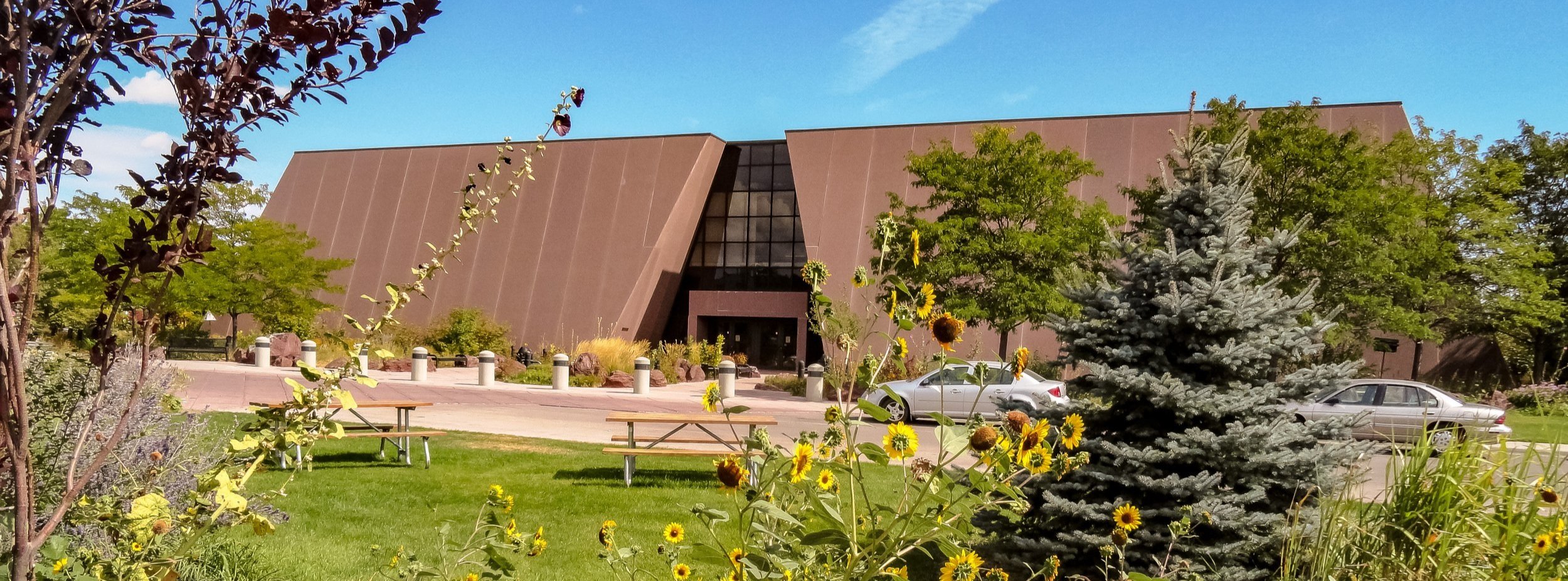
Visit The Journey
Step through our doors and embark on a journey through 3 billion years of history—connecting you with the people, cultures, and science behind the ancient Black Hills and prairies of Western South Dakota.
From the perspective of the Lakota people and the pioneers who shaped its past to the scientists who now study it, you can choose which corner of the universe to visit! Our exhibits, theater, art galleries, gift shop, and natural landscapes all reveal stories that comprise a fully immersive and educational experience unlike any other in South Dakota.
Points of Interest
-
The Journey Museum proudly houses many permanent collections from the Museum of Geology, South Dakota Archeological Research Center, Sioux Indian Museum, and the Black Hills Historical Society (pioneer collection). Our museum’s diverse temporary exhibitions offer a thought-provoking perspective not only on our shared history, but also a relevant perspective on our culture today. When you arrive, don’t forget to grab our scavenger hunt activity sheet for curious kids! Enjoy the Journey!
-
Our widescreen and surround-sound theater offers films on a rotating schedule throughout the day. Titles include: Lakota Star Knowledge, Over the Black Hills, The Journey, and Tatanka, A Way of Life.
-
In addition to our permanent art exhibitions, the museum’s galleries showcase a series of rotating exhibits featuring contemporary American Indian artists and craftspeople. To see what’s currently on display, please visit our exhibitions page.
-
We invite you to enjoy local beer or a glass of wine while shopping for unique gifts from the area. We celebrate and support local Native American artists who make beadwork, quillwork, and ledger art. Local jewelry from Black Hills Gold and artisanal makers is also available. Our bookshelves offer a variety of local interest books on Lakota culture and art, gold mining and homesteading in the Black Hills, as well as numerous native plant and animal guides of South Dakota.


Director’s Welcome
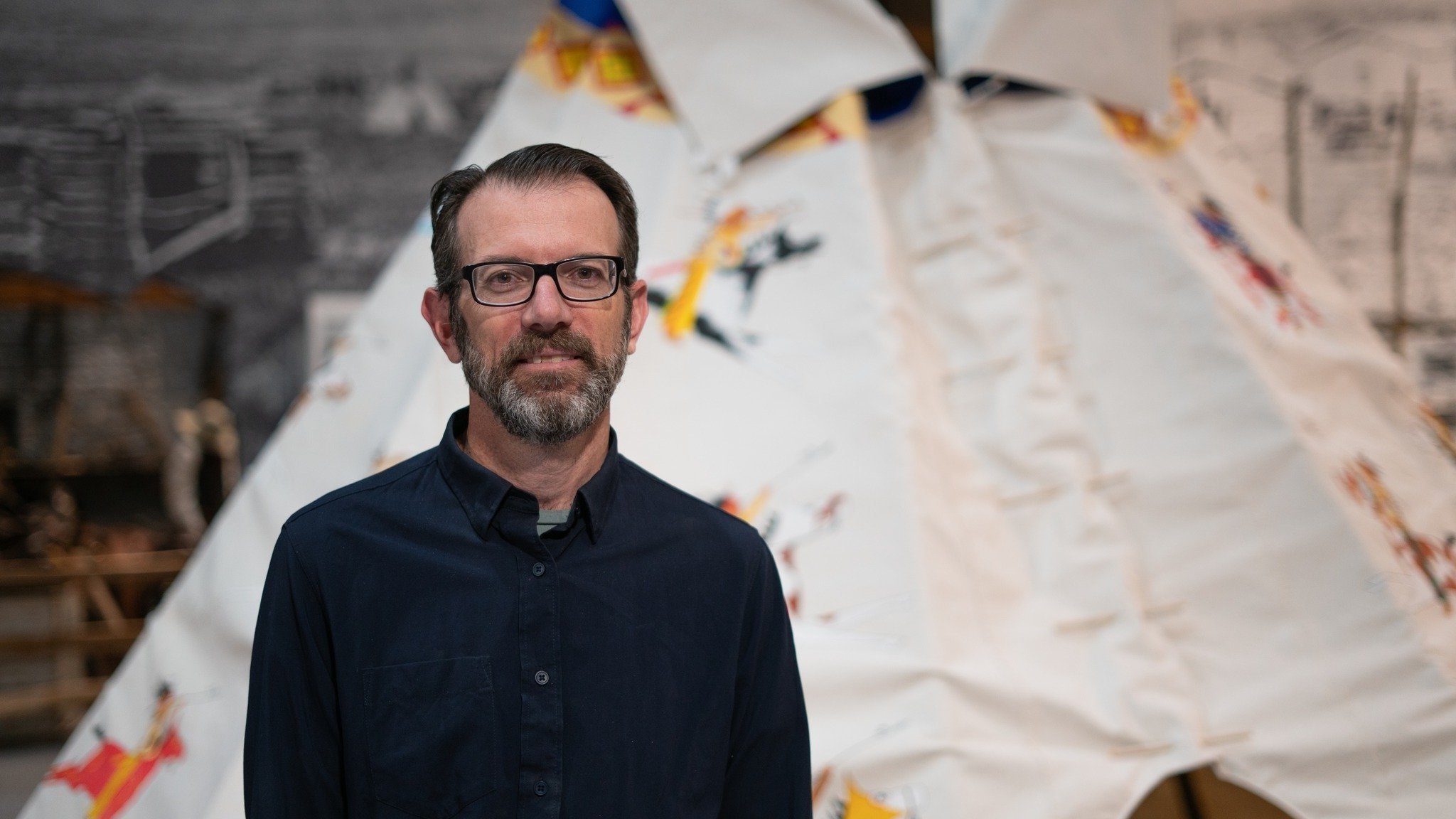
As the Executive Director of the Journey Museum, I hope that you will choose to visit with us and learn about all the Black Hills has to offer. This is a land sacred to Lakotas, who first called it home. The towering Ponderosa Pines, crystal clear streams, lush grasses, and noble cottonwood have drawn people to this land both past and present. Together, we can learn about the many stories of the Black Hills. We can appreciate what makes each story unique and how they all weave together to preserve our past and enrich our future. - Conor McMahon
DISCOVER THE JOURNEY
Journey through 3 billion years and come away inspired by place and people

Gaze into the Dawn of Time
First enter into complete darkness in the Star Room and gaze at the night sky full of constellations and galaxies. You’ll hear scientific and cultural perspectives about the beginning of time and connected sites of the earth to the sky.
— ASTRONOMY —

Meddle in the Mesozoic
(252-66 million years ago)
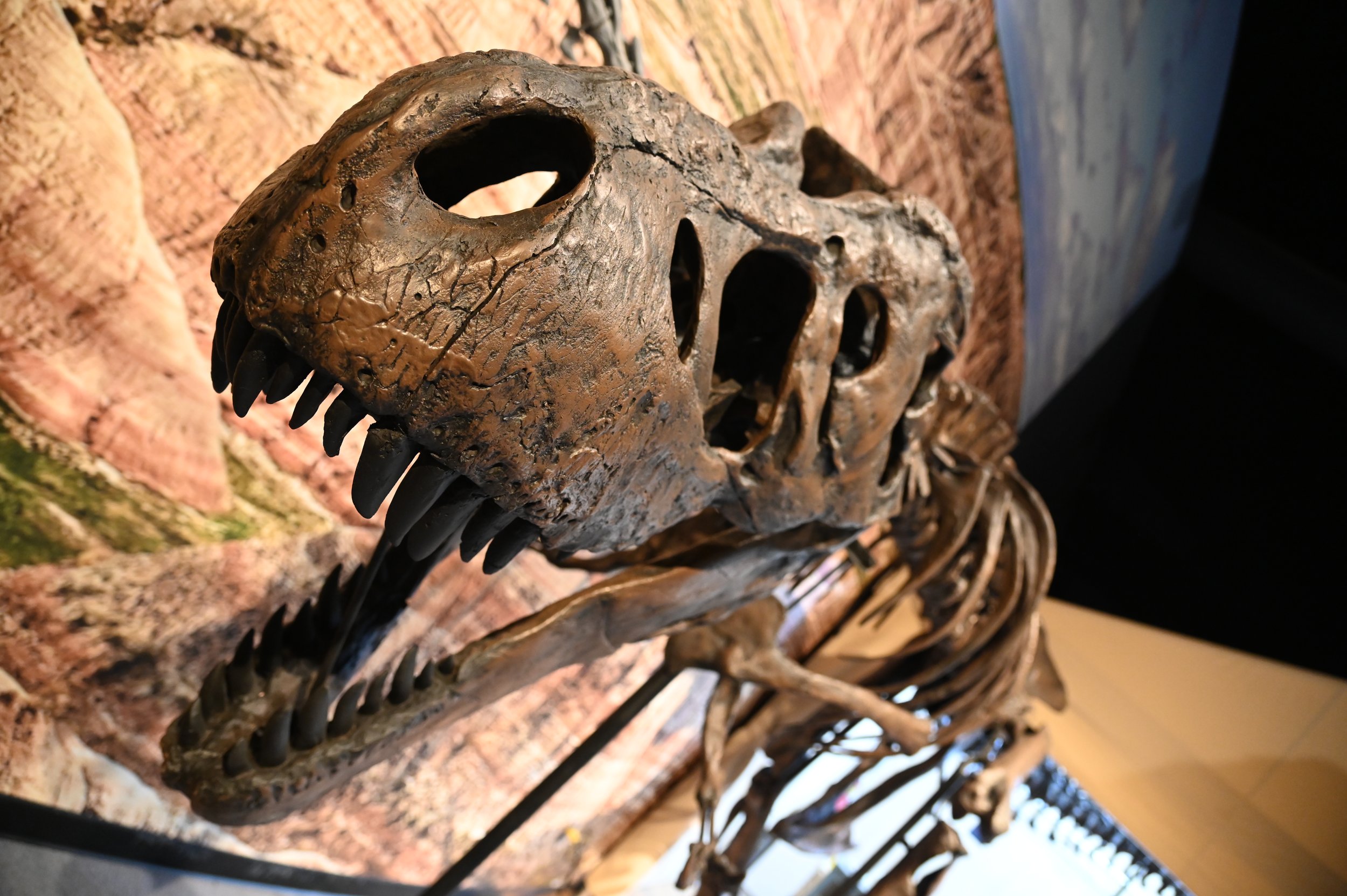
Get up close and personal with the dinosaurs that roamed South Dakota 250 million years ago in the Mesozoic Era such as the Tyrannosaurus Rex, Allosaurus, or the South Dakota State Fossil, the Triceratops. Don’t miss our interactive adventures where families can hunt for dinosaur bones in the dig pit, create an erupting volcano, and more.
— PALEONTOLOGY —

Feel the formation of the Black Hills
(65-70 million years ago)
Venture into the earth’s crust and see over 25 rocky layers that make up the Black Hills on the regions only stratigraphic rock wall. Be sure to feel the ancient granite that forms Black Elk Peak.
— GEOLOGY —
— SCIENCE —

Walk beside the first humans in the Black Hills
(12,000 years ago)
Learn about the earliest people in the Black Hills, the Clovis people, and how they hunted ancient mammoths and created rock art 12,000 years ago. There are thousands of archaeological sites within the Black Hills, a density rivaled only by places like the Valley of the Kings in Egypt.
— ARCHEOLOGY —

— ANTHROPOLOGY —
Appreciate the stories of the Lakotas
(18th century to present)
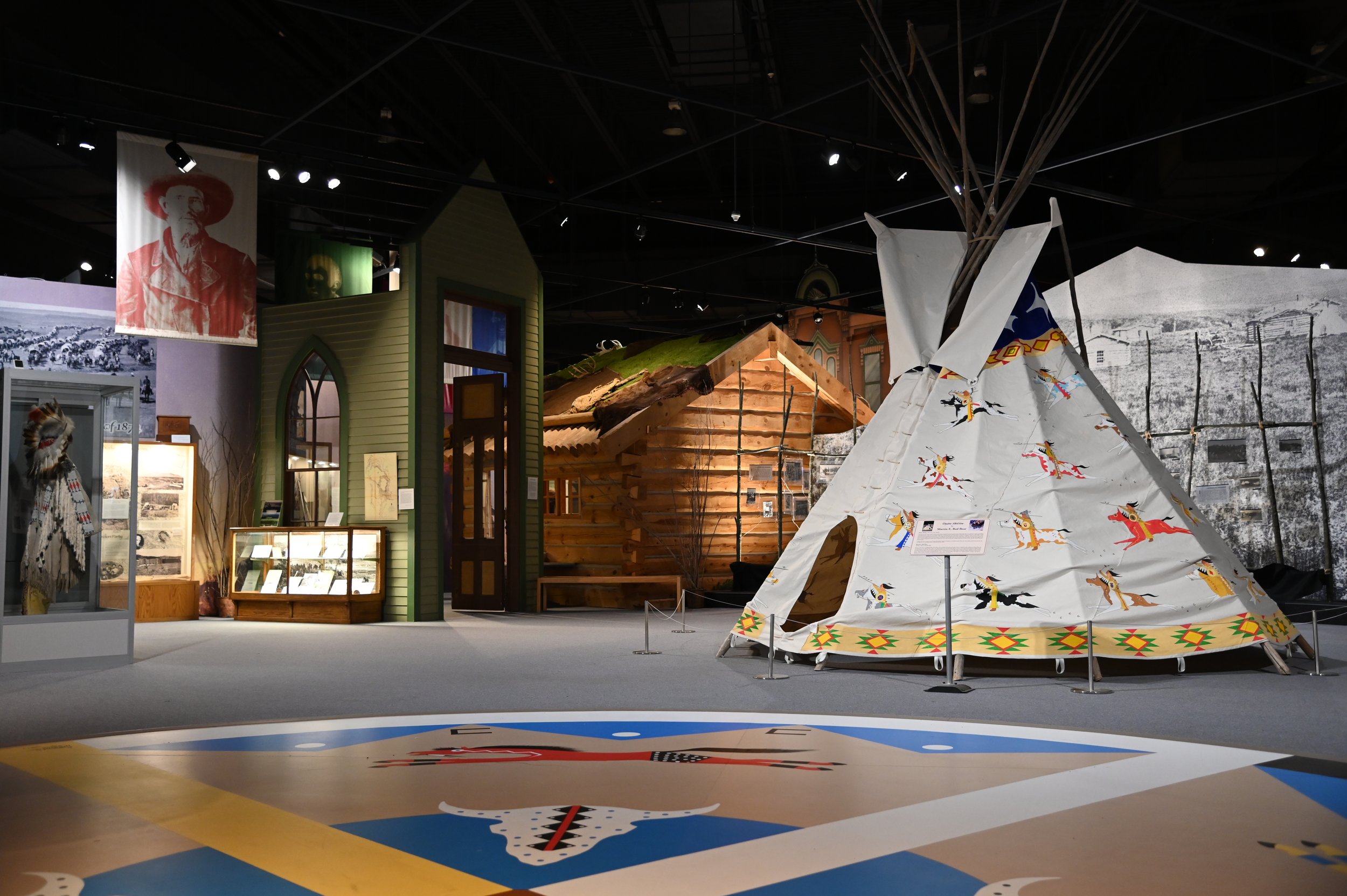
The Journey Museum is home to the Sioux Indian Collection, which holds one of the finest collections of Lakota art in the nation. Intricate beadwork clothing and ornaments allow visitors to appreciate the artistry of Lakota people and rare Winter Counts, tipis, and buffalo hides offer a window into their history.
— NATIVE AMERICAN —

Travel back in time to the Pioneer Days
(19th and early 20th centuries)
The arrival of fur trappers and homesteaders marked an era of conflict, as the United States expanded west. From the Custer Expedition of 1874, to the Battle of Little Bighorn, our exhibits chronicle the western expansion of the 19th century. Walk our boardwalk and take some time inside exploring what a general store in pioneer times looked like and see how the discovery of gold captured a young America's imagination. Our illuminated story walls have much more to reveal about the many other notable historical events that took place in the Black Hills.
— PIONEER HISTORY —

Life on the Prairie Today
(1930s to present)
Rapid City may be a young city, but it’s not without its share of both unsettling and wondrous stories. You’ll learn about how the Black Hills Flood of 1972 tragically took 238 lives and how the city and surrounding communities rebuilt in the aftermath. Next, our forest ecology exhibit encourages visitors to learn about the natural history of the Black Hills and how our forest has changed. Lastly, for the more adventurous vistors, take to the skies with our Stratobowl exhibit.
— SPACEFLIGHT —
— NATURAL HISTORY —